
Blog
Understanding the Female Mind: Psychology, Development, Gender Roles, and Mental Health in the Bangladeshi Context

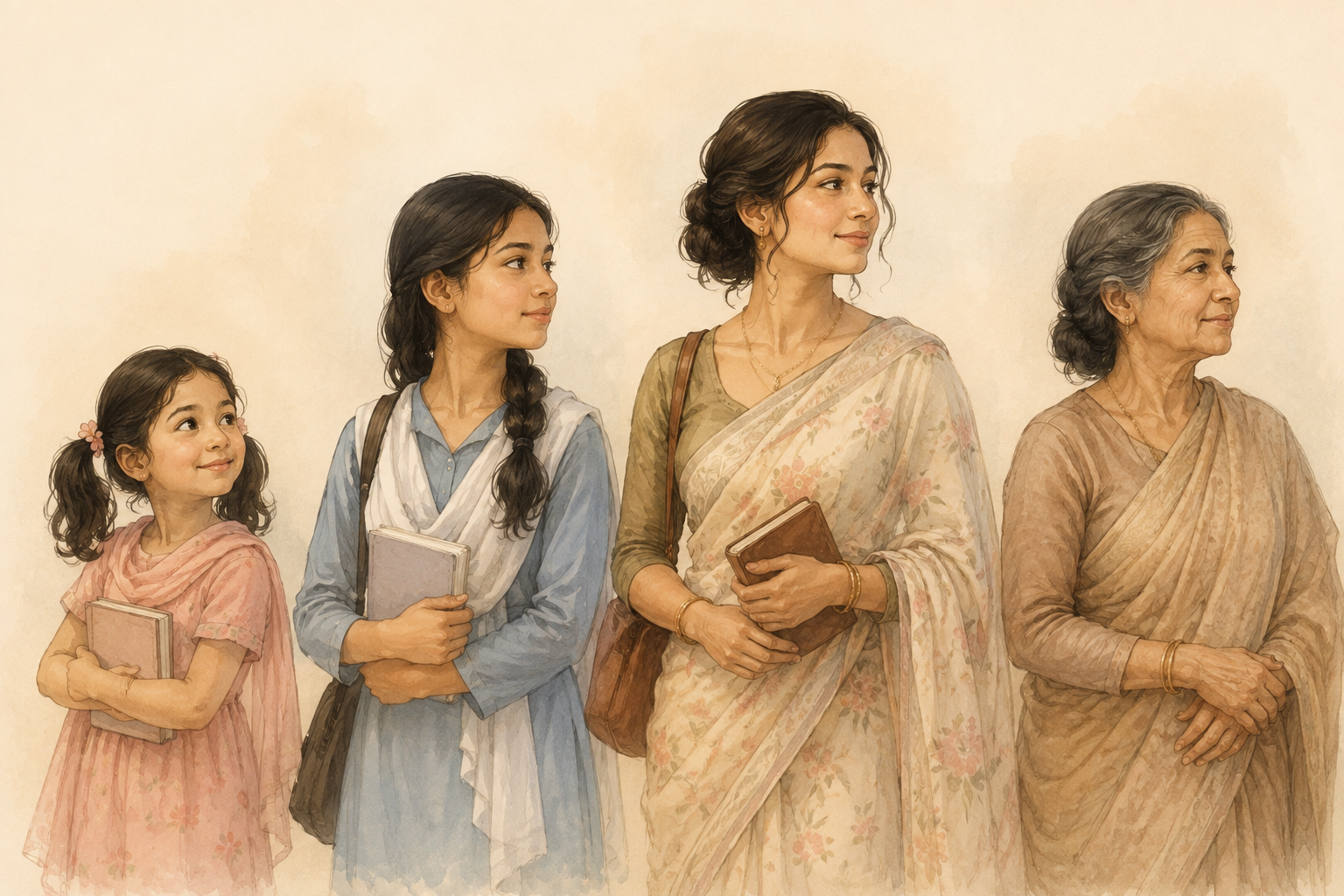
নারীর মনোজগৎ: বাংলাদেশের প্রেক্ষাপটে মনস্তত্ত্ব, বিকাশ, লিঙ্গভূমিকা ও মানসিক স্বাস্থ্য
In our society, conversations about women’s inner psychological world are rare. Yet a woman’s psychological development, the social roles imposed on her, and her mental health are all deeply interconnected. Let’s take a closer look at these issues through the lens of Bangladesh’s cultural and family structures.
আমাদের সমাজে নারীর মানসিক জগৎ নিয়ে আলোচনা প্রায়ই হয় না বললেই চলে। অথচ একজন নারীর মনস্তাত্ত্বিক বিকাশ, তার ওপর চাপিয়ে দেওয়া সামাজিক ভূমিকা এবং তার মানসিক স্বাস্থ্য — এই তিনটি বিষয় একে অপরের সাথে গভীরভাবে জড়িত। বাংলাদেশের সাংস্কৃতিক ও পারিবারিক কাঠামোর আলোকে বিষয়গুলো একটু বিস্তারিতভাবে বোঝার চেষ্টা করা যাক।
Women’s Psychology
Women’s psychology refers to how a woman thinks, feels, and copes with the situations she faces. Many Western psychological theories don’t translate directly to the Bangladeshi context, because here, family-centered decision-making, joint-family living, and social expectations play an outsized role in shaping a woman’s identity. A Bangladeshi woman is often taught from an early age to prioritize her family’s needs over her own wants, and this has a long-term impact on her self-confidence and decision-making ability.
নারীর মনস্তত্ত্ব
নারীর মনস্তত্ত্ব বলতে বোঝায় একজন নারী কীভাবে চিন্তা করেন, অনুভব করেন এবং পরিস্থিতির সাথে মানিয়ে নেন। পশ্চিমা মনোবিজ্ঞানের অনেক তত্ত্ব সরাসরি বাংলাদেশের প্রেক্ষাপটে খাটে না, কারণ এখানে পরিবার-কেন্দ্রিক সিদ্ধান্ত গ্রহণ, যৌথ পরিবারে বসবাস, এবং সামাজিক প্রত্যাশা একজন নারীর আত্মপরিচয় গঠনে বড় ভূমিকা রাখে। একজন বাংলাদেশি নারীকে প্রায়ই নিজের চাওয়া-পাওয়ার চেয়ে পরিবারের প্রয়োজনকে অগ্রাধিকার দিতে শেখানো হয়, যা তার আত্মবিশ্বাস ও সিদ্ধান্ত গ্রহণের ক্ষমতার ওপর দীর্ঘমেয়াদী প্রভাব ফেলে।
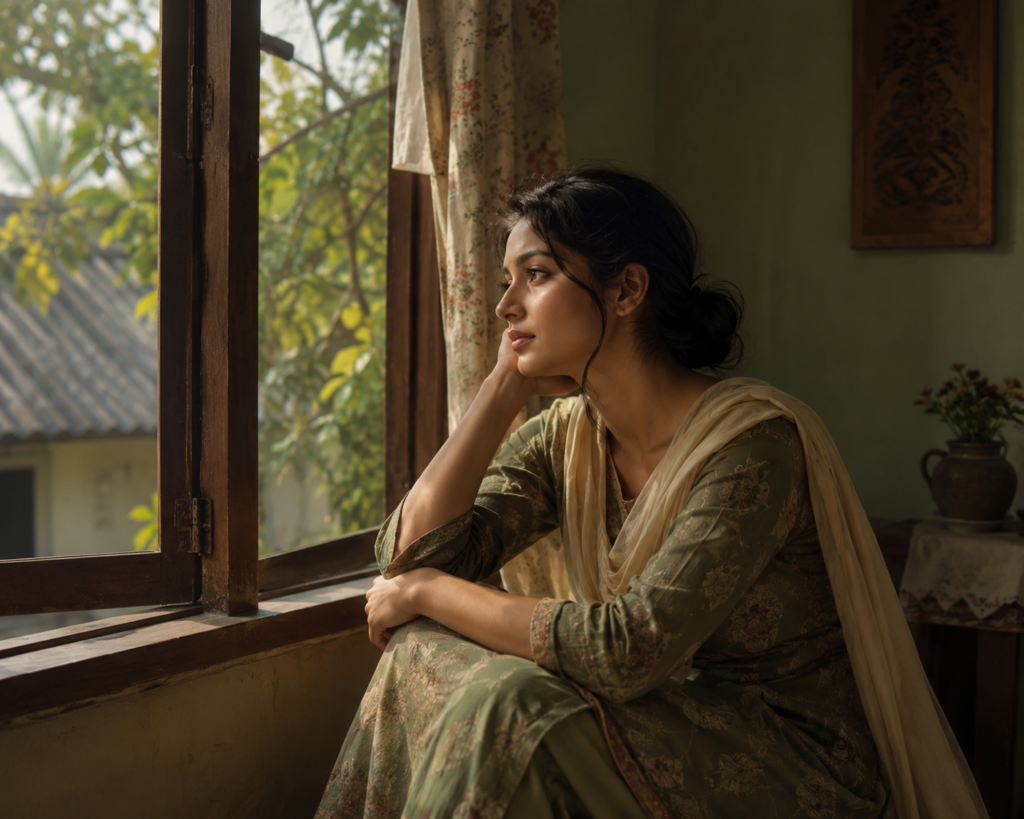
Developmental Psychology of Women
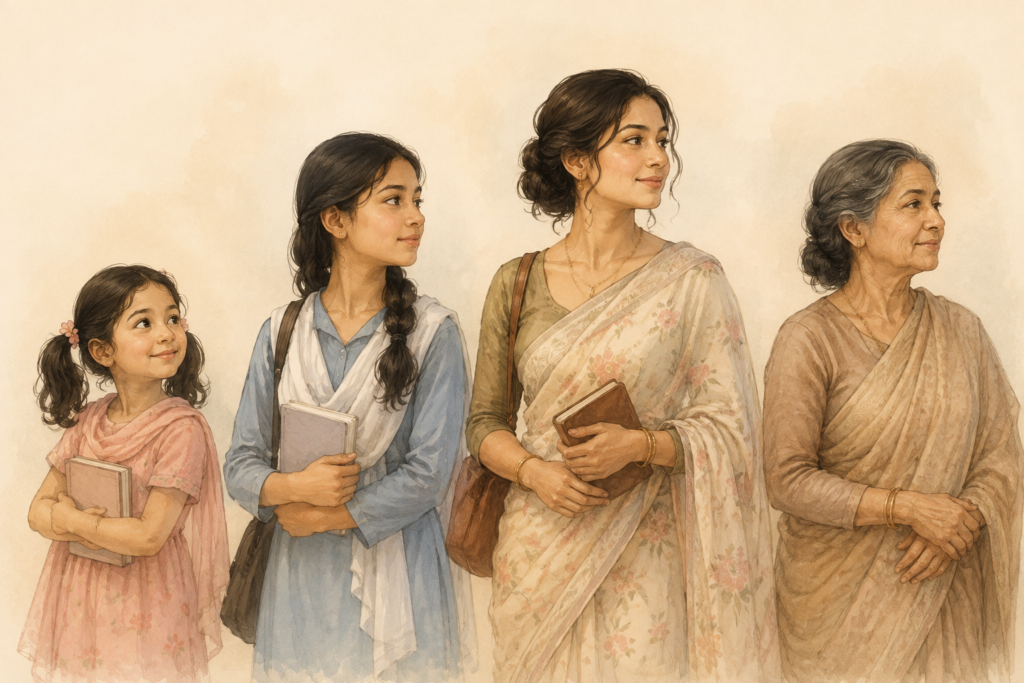
A woman’s psychological development unfolds across several stages from childhood to old age, and at every stage, Bangladesh’s social realities leave their mark:
- Childhood (ages 3–12): Girls are often taught to be “soft,” “obedient,” and “quiet,” while boys are given more freedom to explore and be assertive.
- Adolescence (ages 13–19): Alongside physical changes come tighter social restrictions — on clothing, mobility, and friendships — which can create internal conflict during identity formation.
- Adulthood (ages 20–40): Balancing marriage, child-rearing, and career often leaves many women feeling like they’ve lost touch with their own identity.
- Midlife and older age: The “empty nest” period and menopause bring significant psychological shifts, yet open conversation about these transitions remains limited.
নারীর বিকাশমূলক মনোবিজ্ঞান (Developmental Psychology of Women)
শৈশব থেকে বার্ধক্য পর্যন্ত একজন নারীর মানসিক বিকাশ বেশ কিছু ধাপে ঘটে, এবং প্রতিটি ধাপে বাংলাদেশের সামাজিক বাস্তবতা তার ছাপ রেখে যায়:
- শৈশব (৩–১২ বছর): মেয়েশিশুকে প্রায়ই “নরম”, “বাধ্যগত” ও “কম শব্দ করা” আচরণ শেখানো হয়, যেখানে ছেলেশিশুকে দেওয়া হয় স্বাধীনতা ও অন্বেষণের সুযোগ।
- কৈশোর (১৩–১৯ বছর): শারীরিক পরিবর্তনের সাথে সাথে আসে সামাজিক বিধিনিষেধ — পোশাক, চলাফেরা, বন্ধুত্ব সবকিছুতেই নজরদারি বাড়ে। এই সময় আত্মপরিচয় গঠনে দ্বন্দ্ব তৈরি হতে পারে।
- প্রাপ্তবয়স্কতা (২০–৪০ বছর): বিয়ে, সন্তান লালন-পালন, ক্যারিয়ার — এই তিনটির ভারসাম্য রাখতে গিয়ে অনেক নারী নিজের পরিচয় হারিয়ে ফেলার অনুভূতিতে ভোগেন।
- মধ্যবয়স ও বার্ধক্য: সন্তানরা বড় হয়ে যাওয়ার পর (“empty nest”) এবং মেনোপজের সময় মানসিক পরিবর্তন ঘটে, যা নিয়ে খোলাখুলি আলোচনা এখনও সীমিত।
Gender Roles and Socialization
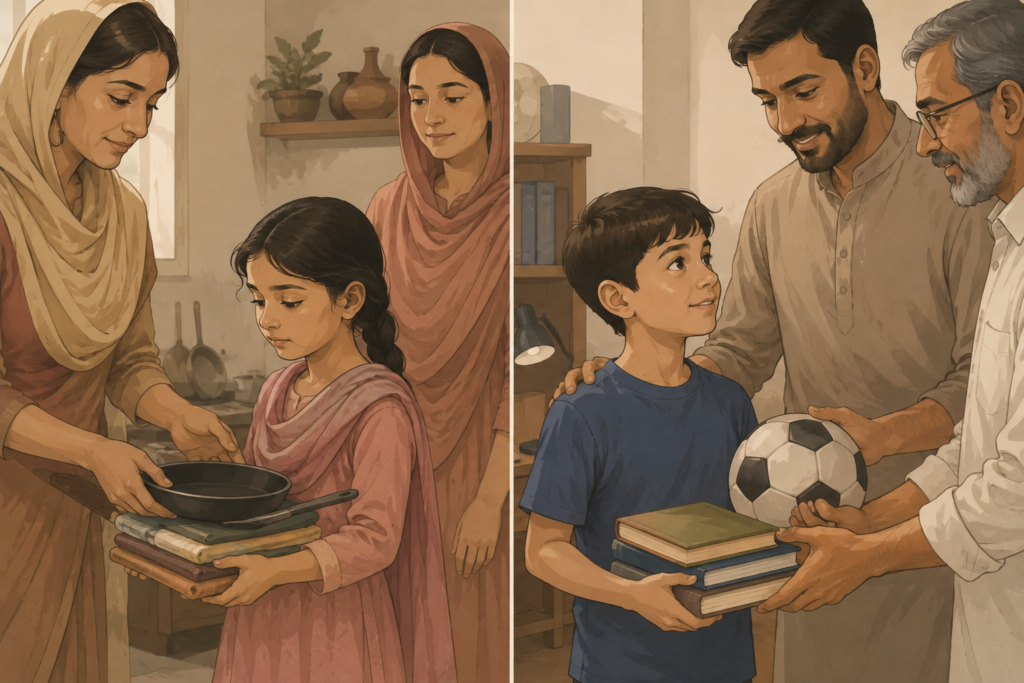
In Bangladesh, boys and girls are socialized very differently from a young age. Girls are taught the importance of household work, patience, and self-sacrifice, while boys are raised with an emphasis on earning and leadership. This unequal upbringing directly affects, later in life:
- A woman’s entry into and advancement in the workforce
- Her participation in decision-making
- Her ability to prioritize her own needs
That said, there’s reason for optimism — in urban and educated families, this pattern is gradually shifting, with growing emphasis on equal educational and career opportunities for girls.
লিঙ্গভূমিকা ও সামাজিকীকরণ (Gender Roles and Socialization)
বাংলাদেশে ছোটবেলা থেকেই ছেলে ও মেয়েকে ভিন্নভাবে সামাজিকীকরণ করা হয়। মেয়েদের শেখানো হয় সংসারের কাজ, ধৈর্য ও ত্যাগের গুরুত্ব, আর ছেলেদের শেখানো হয় উপার্জন ও নেতৃত্বের মানসিকতা। এই বৈষম্যমূলক লালন-পালন পরবর্তী জীবনে —
- নারীর কর্মক্ষেত্রে প্রবেশ ও অগ্রগতি,
- সিদ্ধান্ত গ্রহণে অংশগ্রহণ,
- এবং নিজের প্রয়োজনকে গুরুত্ব দেওয়ার ক্ষমতা —
এসবের ওপর সরাসরি প্রভাব ফেলে। তবে আশার কথা, শহুরে ও শিক্ষিত পরিবারগুলোতে ধীরে ধীরে এই ধারা বদলাতে শুরু করেছে, যেখানে মেয়েদের শিক্ষা ও ক্যারিয়ারকে সমান গুরুত্ব দেওয়া হচ্ছে।
Mental Health Issues in Women
Discussions around women’s mental health in Bangladesh are still largely stigmatized. Some common challenges include:
- Anxiety and depression: Family pressure, concerns around child marriage and dowry, and workplace discrimination contribute to high rates of anxiety and depression among women.
- Postpartum mental health: Psychological changes after childbirth are often dismissed as “normal,” even though they are a treatable medical concern.
- Psychological impact of domestic violence: Survivors of domestic violence frequently experience long-term trauma.
- Reluctance to seek help: Seeking mental health support is often seen as a sign of “weakness,” which delays timely treatment.
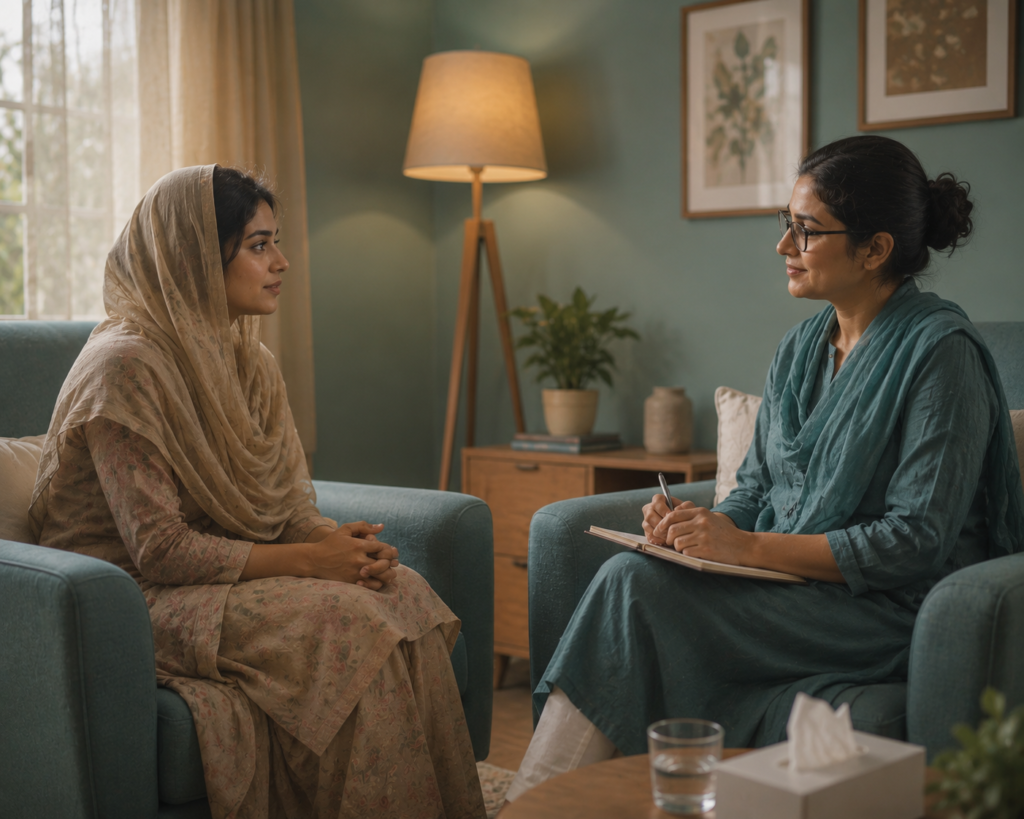
Raising awareness, encouraging open conversations within families, and making counseling services more accessible are key steps toward changing this situation.
নারীর মানসিক স্বাস্থ্য সমস্যা (Mental Health Issues in Women)
বাংলাদেশে নারীদের মানসিক স্বাস্থ্য নিয়ে আলোচনা এখনও অনেকটাই সামাজিক লজ্জার বিষয়। সাধারণ কিছু চ্যালেঞ্জ:
- উদ্বেগ ও বিষণ্নতা: পারিবারিক চাপ, বাল্যবিবাহ, যৌতুক সংক্রান্ত দুশ্চিন্তা এবং কর্মক্ষেত্রে বৈষম্যের কারণে অনেক নারী উদ্বেগ ও বিষণ্নতায় ভোগেন।
- প্রসবোত্তর মানসিক স্বাস্থ্য (Postpartum mental health): সন্তান জন্মের পর মানসিক পরিবর্তনকে অনেক সময় “স্বাভাবিক” বলে উপেক্ষা করা হয়, যদিও এটি চিকিৎসাযোগ্য একটি বিষয়।
- পারিবারিক নির্যাতনের মানসিক প্রভাব: পারিবারিক সহিংসতার শিকার নারীদের মধ্যে দীর্ঘমেয়াদী মানসিক আঘাত (trauma) দেখা যায়।
- সাহায্য চাইতে দ্বিধা: মানসিক স্বাস্থ্যসেবা নেওয়াকে অনেকে “দুর্বলতা” মনে করেন, ফলে সময়মতো চিকিৎসা নেওয়া হয় না।
সচেতনতা বৃদ্ধি, পরিবারে খোলামেলা কথোপকথন এবং সহজলভ্য কাউন্সেলিং সেবা এই পরিস্থিতি বদলাতে গুরুত্বপূর্ণ ভূমিকা রাখতে পারে।
Conclusion
Women’s psychology, development, socialization, and mental health together shape the overall lived experience of a woman’s life. In Bangladesh, more open dialogue, research, and accessible support systems around these issues are long overdue. Understanding and respecting women’s inner psychological world is essential to building a healthier society.
উপসংহার
নারীর মনস্তত্ত্ব, বিকাশ, সামাজিকীকরণ এবং মানসিক স্বাস্থ্য — এই সবকিছু একসাথে মিলেই তৈরি হয় একজন নারীর সামগ্রিক জীবন-অভিজ্ঞতা। বাংলাদেশে এই বিষয়গুলো নিয়ে আরও খোলামেলা আলোচনা, গবেষণা এবং সহজলভ্য সহায়তা ব্যবস্থা তৈরি করা সময়ের দাবি। একটি সুস্থ সমাজ গড়তে হলে নারীর মানসিক জগৎকে বোঝা ও সম্মান করা অত্যন্ত জরুরি।